Showing posts with label data security. Show all posts
By Matt Klinger

Recent moves by Asian governments show that privacy protection is not just a concern in the United States. and European Union.

For instance, just this month Japan issued a voluntary code of practice for businesses that collect and use personal data.  In addition, earlier this year, Vietnam created new sanctions for certain violations involving data privacy, while the government of Hong Kong issued a best practices guide for developing a privacy management program. 

These efforts add further complexity to the patchwork of privacy regulations and best practices companies should follow when operating in Asia.  
By Matt Klinger

"The first major statement by the UN on privacy in 25 years" appeared last month when the General Assembly's committee on humanitarian issues unanimously approved a resolution on "the right to privacy in the digital age."  

Brazil and Germany, which recently learned the U.S. National Security Agency had intercepted the communications of their top leaders, sponsored the non-binding measure.  The resolution calls on member states to review their legislation and practices regarding communications surveillance with an eye toward upholding the right to privacy.  The resolution also calls for a U.N. report on the protection and promotion of privacy in the context of "domestic and extraterritorial surveillance . . . including on a mass scale."  

The committee's consensus approval indicates the resolution will easily pass in the General Assembly when it comes up for a vote this December. 
By Peter Andres*
 
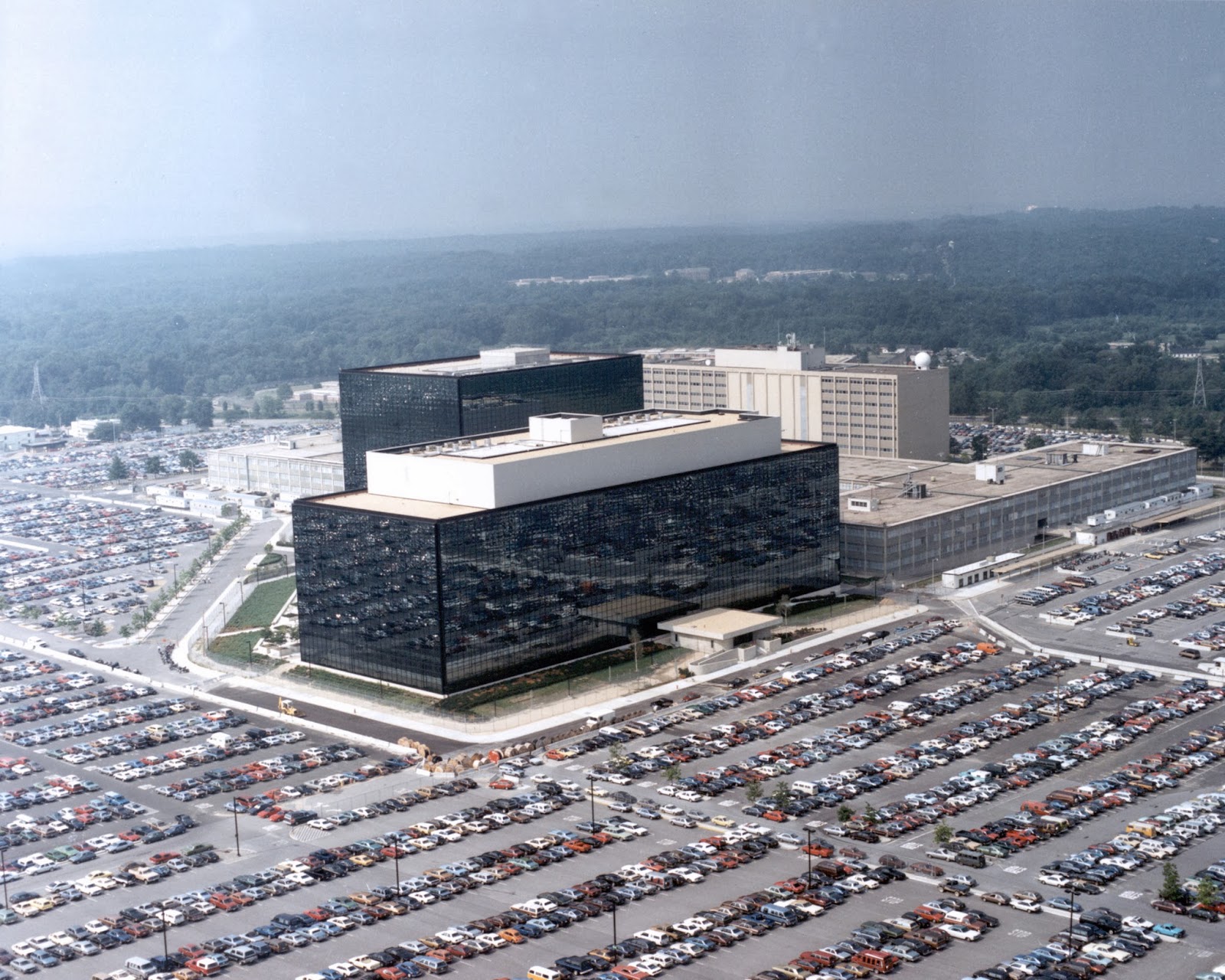
The National Security Agency at Fort Meade |
Photo courtesy of the Department of Defense
Since May 2013, each month we have learned a little more about the trove of documents that Edward Snowden took from the National Security Agency (NSA).  And with each revelation the scope of the U.S. spying program continues to grow.  To date, public opinion appears to be split between those that casually brush off the spying with a “what do I have to hide?” attitude, while others finds the revelations a much more insidious invasion of privacy.  

For lawyers working on matters with international clients based outside of the United States, the Snowden revelations raise practical issues that impact their practice given the scrutiny international communications receive under NSA surveillance programs.   As a Washington Post article noted in October, “intercepting communications overseas has clear advantages for the NSA … [bulk] collection of Internet content would be illegal in the United States, but the operations take place overseas, where the NSA is allowed to presume that anyone using a foreign data link is a foreigner.”  The Snowden disclosure has particular resonance for attorney communication with non-U.S. citizen clients, who still may be subject to U.S. jurisdiction.  If a confidential communication is sent to a Gmail account or another U.S. e-mail service provider and sent to a data center in Asia, should it be assumed that the NSA has access to it?   
By Stephen Kozey

In a world where the majority of business transactions are digital, it makes sense that trade in services would join the club. Surely greater access to markets is good for business, but is the law, and international law in particular, prepared to deal with the inevitable issues of privacy, security, and digital piracy? If you want to find out more about the impact of digital trade on business, entrepreneurs, and consumers, check out the ASIL’s panel discussion, “Traveling the Electronic Silk Road,” at 3:00 p.m. on Monday, October 7.

As a bonus, you can preview panelist Anupam Chander’s new book, “The Electronic Silk Road,” for a taste of what’s to come on Monday.